In your Shakespeare journey, a line with unusual pauses and Elizabethan words can seem daunting. But I bet that the struggles may have already pulled yourself closer to Shakespeare. You want to know more about him, this mysterious charming man. Or, like some critics argue, a black Jewish woman (this is worse than the Francis Bacon theory. Give me a break… ). How did Shakespeare’s family help shape his creativity and imagination as a whole? In what ways did he draw on classics as he put thoughts into words? If this is you, my list of books about Shakespeare will make him more understandable and enjoyable for you.
Here are some books that really helped me in my Shakespeare journey; I hope they would help you as well.
~
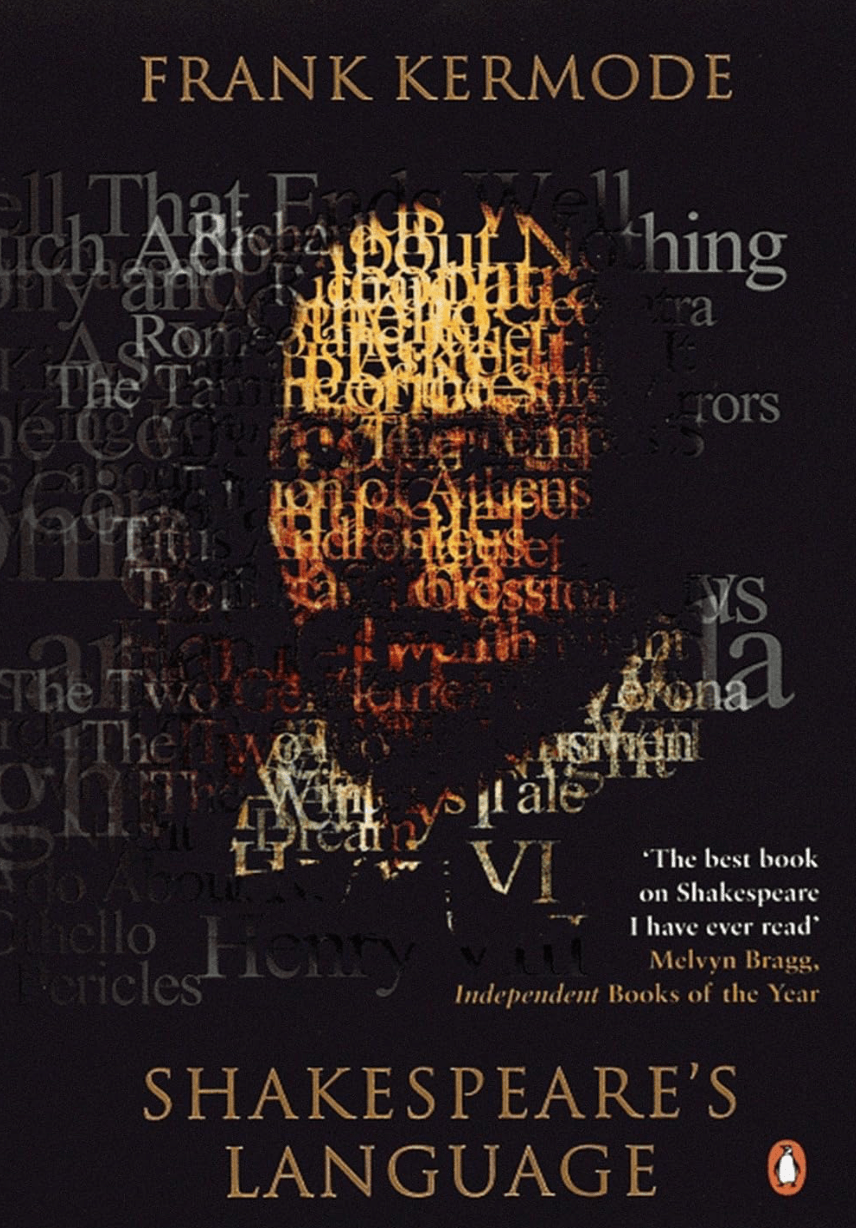
1. Shakespeare’s Language by Sir John Frank Kermode
Kermode is a close reading master. In this book, he discusses a lot of literary devices and ambiguities. As Peter Ackroyd puts it, ’No more of Shakespeare the imperialist. No more of Shakespeare the feminist. Here is Shakespeare the writer.’ Kermode is a writer who spends almost half of the chapter to clarify the meaning of ‘prone’ (‘prone and speechless dialect’) in Measure for Measure. If you like a close reading approach, Kermode is your pick.
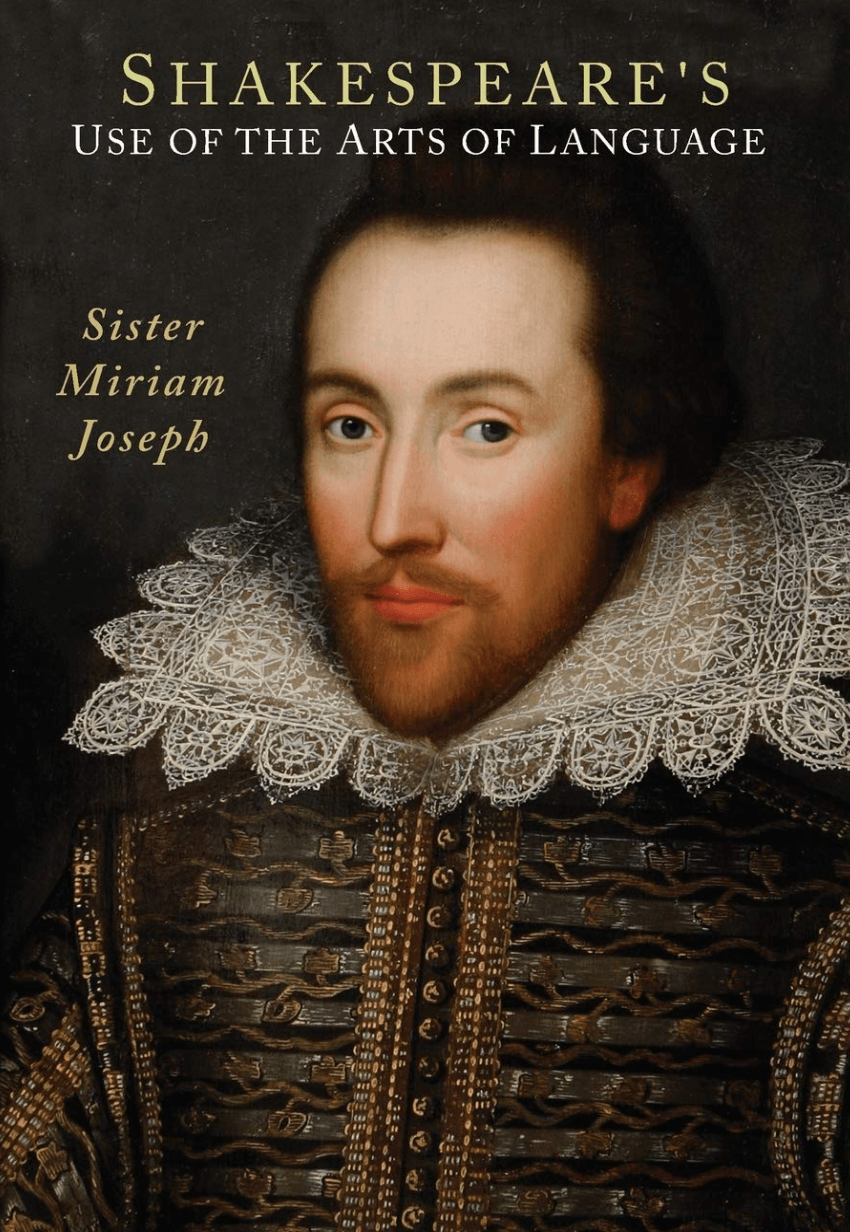
2. Shakespeare's Use of the Arts of Language by Sister Miriam Joseph
Imagine you are doing a Grammar school course on Shakespeare in the Elizabethan era. That’s how it feels like reading this work. Erudite and detailed. The rhetoric jargons may be off putting for some; but Sister Miriam Joseph has combined quotations from Shakespeare and foolproof definitions for the rhetoric devices involved. It wouldn’t read like an academic journal. Trust me.
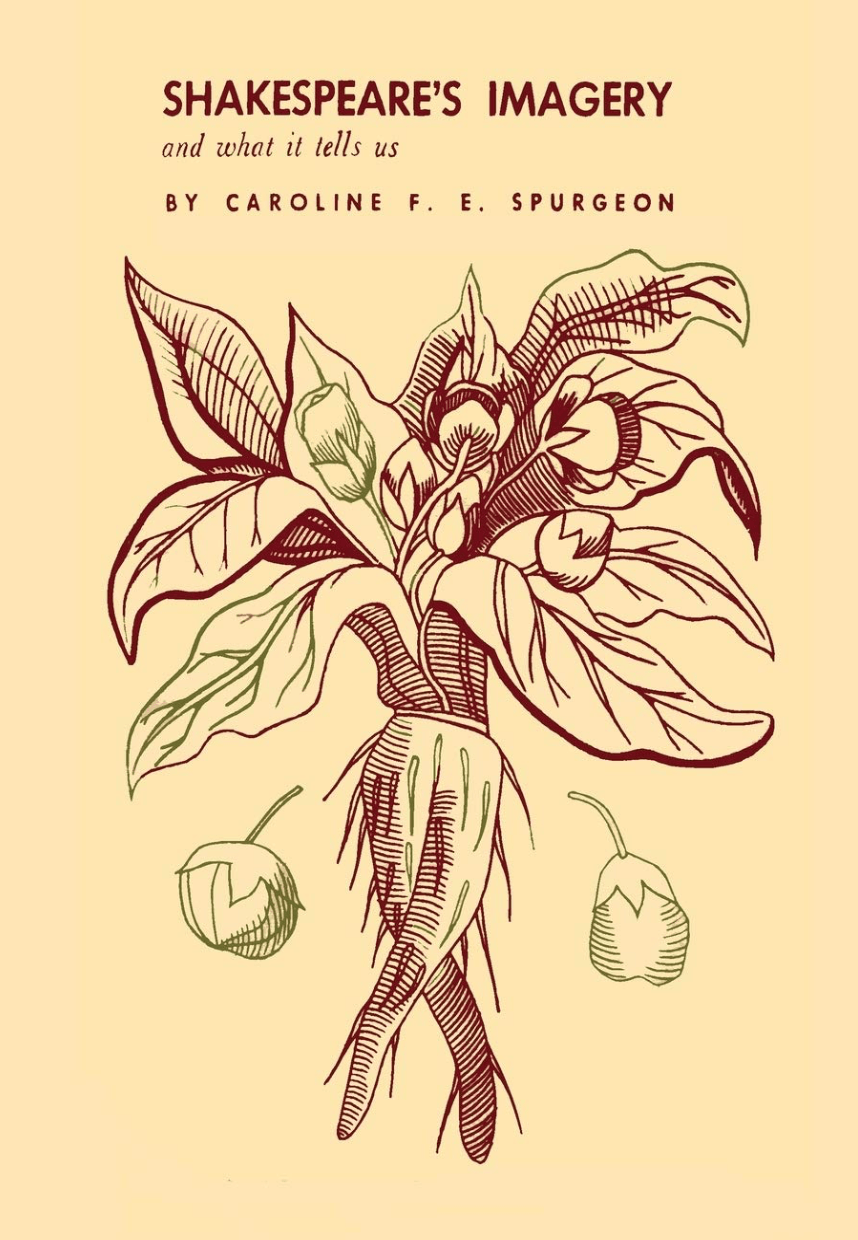
3. Shakespeare's Imagery and What It Tells Us by Caroline Frances Eleanor Spurgeon
Spurgeon analyses a rich and wide range of elements Shakespeare uses to furnish his art, like animals, the sea, and music, among others. You will find there are recurring metaphors or ideas that keep coming back across his plays. I would recommend flipping to the Index Page and find out what interests you before you read. The book can be read disjointedly; it is totally readable, even though Spurgeon refers to the plays you might not have read.
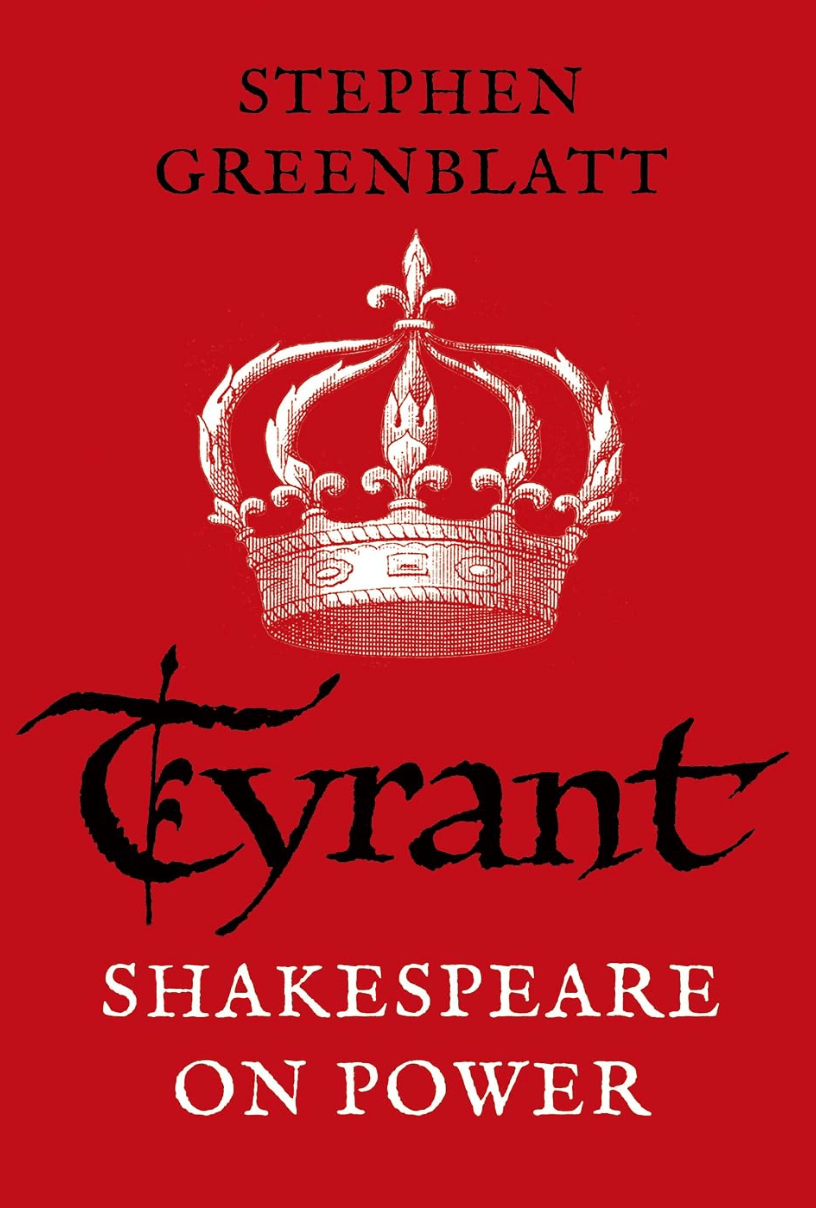
4. Tyrant: Shakespeare On Power by Stephen Greenblatt
The great father of New Historicism, Greenblatt combines Elizabethan context and Shakespeare’s (possible) personal encounters with his plays. He covers mostly of the histories — Richard II, Richard III, the Henry V and VI, to name a few. The discussion even extends to Coriolanus whose tyrannical temperament is luckily dismissed as the tribunes banish him from Rome. Otherwise, Greenblatt thinks, he would become a tyrant. If you are like Ron Rosenbaum, you may dislike Greenblatt. How on earth can you say that Shakespeare has such a personal attachment in his creative process just because you think he has? Rosebaum would have said something similar in the face of Greenblatt. We have no concrete history of Shakespeare so we must in some sense construct it. I personally love Greenblatt’s approach.
He has close reading as well. The thematic and rhetorical analysis of Richard III’s soliloquy is illuminating (‘What do I fear …’ from Act 5 Scene 3, lines 182-189). It is full of repetition and self-questioning. Greenblatt suggests that it reflects Richard III’s psychological hollowness. Richard III has no attachment to anyone, not even the woman he loves. When he produces the speech, he cannot love himself even. His sense of self is so attached to the throne that makes him often emotionally detached.
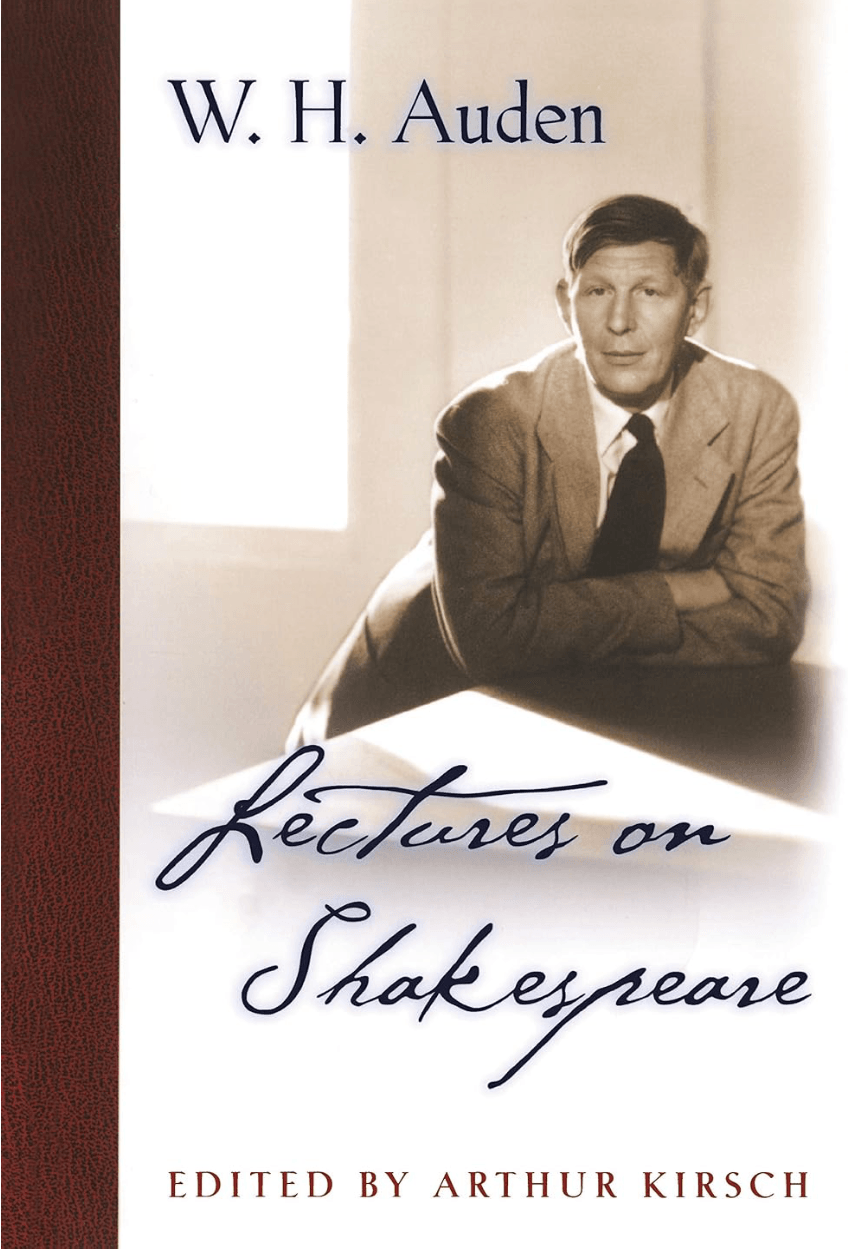
5. Lectures on Shakespeare by W.H. Auden
Auden has a critical and lucid voice on Shakespeare’s matters. This collection of lectures is easier to read than, say, Harold Bloom’s The Invention of the Human. You can expect discussions on themes and Elizabethan context. Different books surely have wrestled with the same matters (like Bloom’s; though some dislike his Bardolatrous voice), yet Auden’s clear writing is gold.